Absolute Auto Group is putting a substantial number on a strategy that many race teams discuss but few take beyond hospitality: using motorsport credibility to build a customer business away from the circuit.
The Singapore-headquartered group said on 30 October that it had completed the acquisition of a 5,000-square-metre freehold site in Kisarazu, Chiba Prefecture, and plans to invest up to ¥4.5bn in the first Absolute Auto Club. The budget covers the land acquisition, construction, fit-out and initial vehicle inventory. A multi-storey facility combining premium-car retail, hospitality, landscaped areas, events and member spaces is targeted to open in the first quarter of 2028.
The announcement is material for motorsport because Absolute Racing is not being treated as a separate marketing activity attached to the project. Its technical reputation, customer network and paddock access are intended to become part of the product. Buyers will receive club membership, while the wider plan connects vehicle sourcing and sales with servicing, experiences and a community programme.
That is a different commercial model from using a race team only to generate exposure. Absolute is attempting to turn the relationships and trust created by competition into recurring demand across several adjacent businesses.
The investment creates a revenue stack, not just a showroom
The ¥4.5bn headline should be read carefully. It is an upper limit for the whole first-site programme, including initial stock, rather than a disclosed construction contract or a valuation of Absolute Racing. The group has not published the purchase price of the land, the funding mix, forecast revenue, membership fees or expected return.
Even with those gaps, the operating model is visible. Vehicle sales and consignment can create transaction margin. Workshop and service activity can extend the relationship after delivery. Membership, events and hospitality can increase visit frequency, while track and paddock experiences give the group something that a conventional dealer would need to buy from a third party.
Absolute's September strategy announcement placed vehicle trading, specialist automotive and motorsport finance, customer experiences, community and partnerships inside the same group plan. The Kisarazu investment gives that strategy a physical centre. It also changes the commercial value of the racing operation. A race programme can now support customer acquisition, product proof, staff development, events and retention as well as sponsorship inventory.
For other teams, the important point is not that every racing company should become a dealer. It is that motorsport produces scarce assets beyond media exposure: access, technical authority, a high-value network and the ability to convene customers around a shared interest. Those assets can support businesses with longer customer lifecycles than a season-by-season race entry.
Kisarazu is part of the product
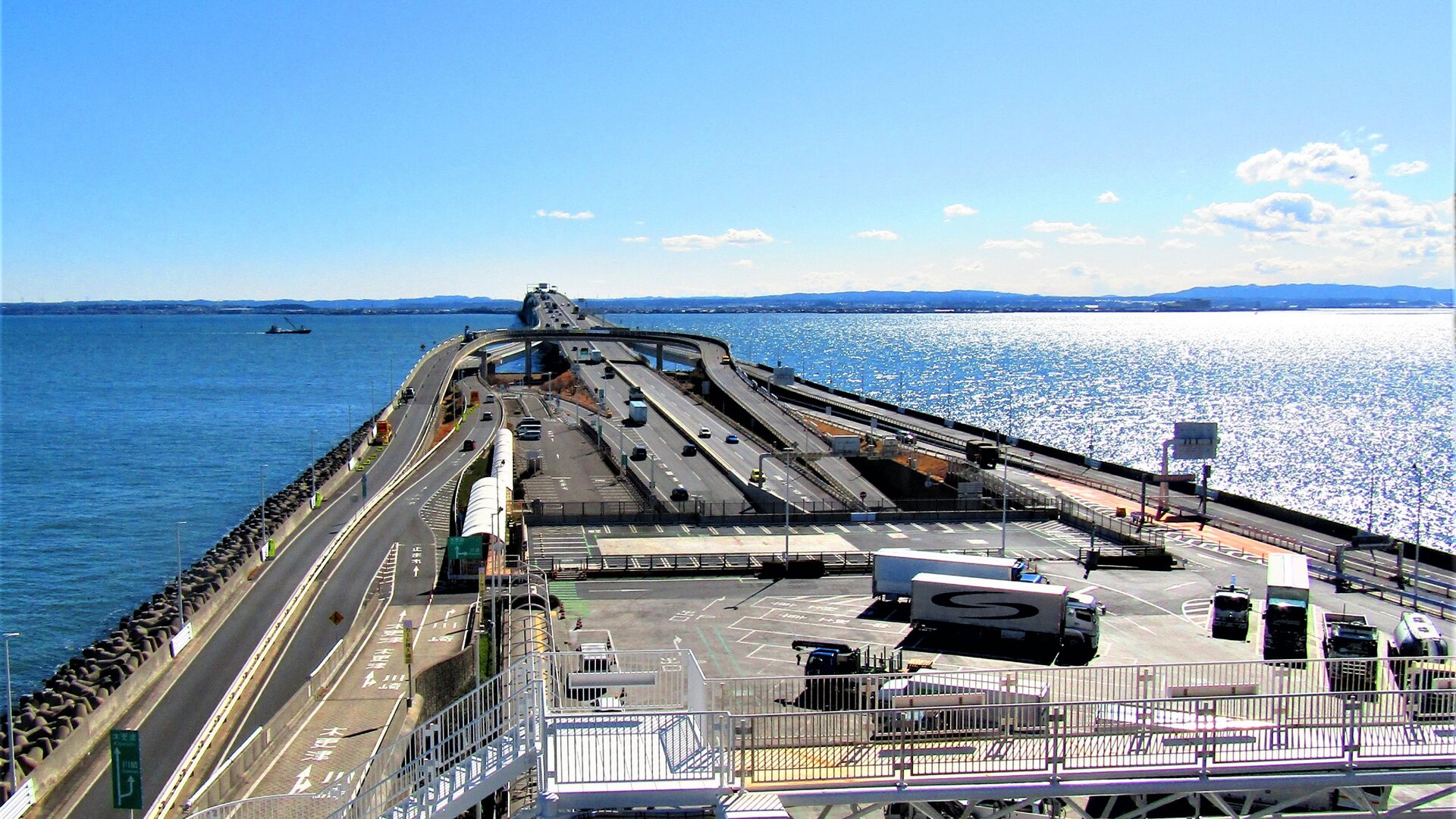
Absolute says the site is less than two minutes from the Kisarazu Kaneda interchange, the first exit on the Chiba side of the Tokyo Bay Aqua-Line. That location places it on a direct route from metropolitan Tokyo and Yokohama to a growing cluster of automotive and leisure destinations.
The surrounding demand case can be checked independently of the investment announcement. Mitsui Fudosan expanded the adjacent Mitsui Outlet Park Kisarazu to 330 stores in June 2025 and describes it as Japan's largest outlet mall by store count. Its published material also identifies the Kisarazu Kaneda interchange, links to Tokyo and Yokohama and access from Haneda Airport as core strengths of the site.
Kisarazu already has an established automotive draw. Porsche opened its 43-hectare Experience Center Tokyo there in 2021, including a 2.1-kilometre handling course. Absolute also identifies Sodegaura Forest Raceway and The Magarigawa Club farther into Chiba as part of the region's driving ecosystem.
That matters because a destination business needs more than an address. The route itself can connect retail, leisure and driving activity. A customer travelling from Tokyo can combine a club visit with shopping, an event, a circuit day or a manufacturer experience. The geography gives Absolute potential footfall from outside its existing racing audience while keeping the new business close to a credible performance-car market.
It also explains the emphasis on gardens, hospitality and family visits. If the facility relied only on people actively buying a car, utilisation would be episodic. Events, food, member activity and public access can create reasons to visit between transactions.
Race-team capability becomes customer infrastructure
Absolute Auto Club's existing material describes a service operation that will apply race-team engineering, setup and maintenance standards to customer cars. It also links membership to paddock access, circuit days, drives and priority access to inventory.
Those propositions are commercially attractive because the team already owns part of the delivery capability. Race engineers, workshop processes, manufacturer relationships and event knowledge do not have to be invented for the retail business. At the same time, transferring them to road-car customers requires discipline. A successful race operation does not automatically provide the scheduling, warranty handling, parts availability, customer communication and repeatability expected from premium retail.
The opportunity for suppliers therefore extends well beyond construction. The announced scope implies demand for workshop equipment, vehicle logistics, inventory systems, customer-relationship software, hospitality operations, event production, security, insurance, finance and specialist recruitment. No contracts have been announced in those categories, so they should be treated as potential procurement areas rather than awarded work.
For automotive brands, the club could provide a regional route to affluent enthusiasts that combines display, demonstration, service and experience. For sponsors, it creates year-round activation space away from a race calendar. A business-to-business partner could entertain clients at the facility, use race weekends as the peak experience and maintain contact through member events between rounds.
The model also gives Absolute more control over data. A team normally knows who attends its hospitality programme, but not always who buys, services or trades a performance car afterwards. Connecting inventory, membership, events and racing can create a clearer view of customer value, provided privacy, consent and data governance are built into the platform.
Capital intensity is the counterweight
The same integration that creates opportunity also concentrates risk. Land and construction are long-duration commitments. Initial vehicle inventory ties up working capital and carries price, specification and currency exposure. Hospitality and membership need programming and staffing before their economics can be judged.
The opening is targeted for the first quarter of 2028 and remains subject to development and construction timelines. Participating vehicle brands, commercial partners and detailed membership benefits have not been announced. Absolute has also not disclosed whether the ¥4.5bn will be funded from group equity, debt, partners or a combination.
Those unknowns matter to suppliers. Companies bidding for the project will need clarity on contracting entities, payment security, programme phasing, ownership of equipment and how changes to the development scope affect orders. The inclusion of vehicle inventory in the investment total means the headline cannot be used as a proxy for the value of construction or supplier packages.
There is also a brand boundary to manage. The racing operation gains commercial reach from the club, but customers will expect the premium retail and service business to meet standards that are different from a race team's fast, project-based environment. Poor service delivery could damage the credibility built on track; equally, a disciplined customer operation could make the racing brand more valuable to manufacturers and partners.
What the paddock should watch
The project gives teams and promoters a useful test case for monetising motorsport beyond rights and sponsorship.
First, it treats racing relationships as an investable asset. Absolute is using its network of owners, manufacturers, drivers and partners to support a physical business rather than simply selling more logo space.
Second, it combines high-value but irregular transactions with recurring contact. Vehicle purchases bring customers into the club; service, events and membership are intended to keep them engaged.
Third, it places motorsport inside a wider destination economy. The adjacent outlet and established driving venues provide audiences and visit reasons that the team does not have to create alone.
The result will depend on execution, not the size of the announcement. By early 2028 the industry should be able to judge whether Absolute has converted racing credibility into vehicle margin, workshop demand, member retention and partner value—or simply added an expensive property project to a race-team group.
For now, the strategic direction is clear. Absolute is no longer using motorsport only to reach customers. It is investing up to ¥4.5bn to own more of what happens after that reach becomes interest: the place, the transaction, the service relationship and the community around the car.
Sources and further reading
- Absolute Auto Group investment announcement, 30 October 2026 ↗
- Absolute Auto Group strategy announcement, 9 September 2026 ↗
- Absolute Auto Club dealership and membership overview ↗
- Absolute Auto Club service overview ↗
- Mitsui Fudosan Kisarazu outlet expansion record ↗
- Porsche Experience Center Tokyo opening record ↗
- Wikimedia Commons image record ↗
- Creative Commons Attribution-ShareAlike 4.0 licence ↗