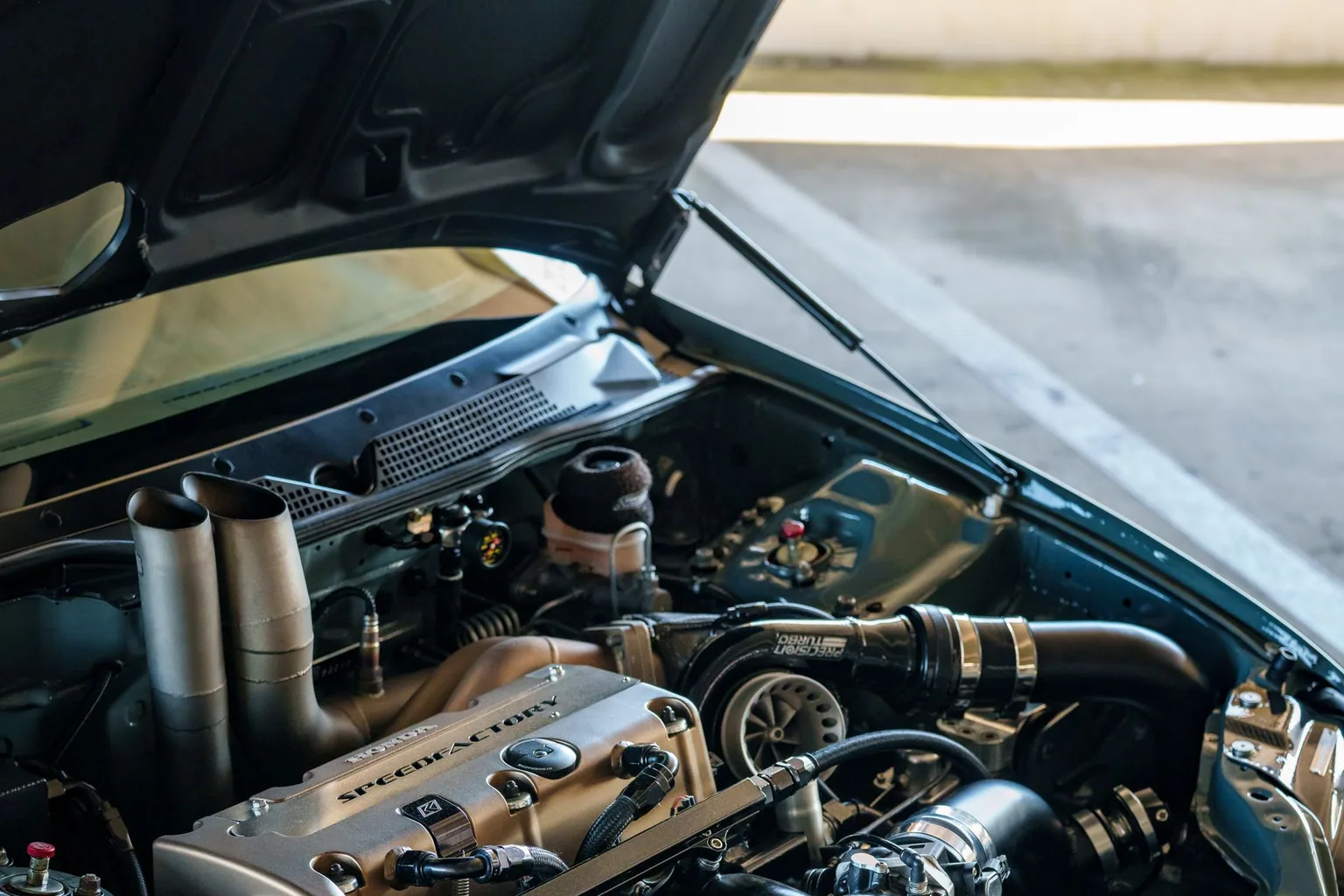
Pistons, valvetrain, fuel delivery and rotating parts must be specified as a system. Clear duty-cycle information is the first step toward reliability.
Motorsport organisations working in the United States operate in a market where technical performance and commercial responsiveness are closely connected. Catalog dimensions do not describe thermal load, cylinder pressure, rpm history or the consequences of a particular fuel and calibration. Parts need context.
For teams and programme owners, the practical objective is not to find the largest possible list of suppliers. It is to identify businesses whose capability, evidence, location and support model fit the problem being solved. That requires clearer technical information than a company name and a general industry label.
The engineering problem
Material, clearance, surface treatment, ring package, oil control and balance should reflect the intended engine and rebuild strategy. Measurement at assembly remains essential.
The important inputs should be agreed before products or services are shortlisted. Vehicle specification, regulations, target operating window, test opportunity, reliability expectations and available internal resource all shape the answer. When those inputs remain vague, suppliers are forced to make assumptions that may not match the programme.
An in-depth request also improves the response. Drawings, representative data, installation envelopes, duty cycles and decision dates allow a specialist to explain the trade-offs rather than quote an isolated item. The process protects both buyer and supplier from discovering incompatibility after time and budget have been committed.
Relevant businesses and capability
The directory connects this subject with businesses whose public profiles describe relevant products or services. MAHLE is listed for motorsport pistons, rings and engine components; Cosworth is listed for powertrain development, motorsport electronics and programme engineering; Mecachrome is listed for precision engineering, manufacturing and powertrain components. These examples show different positions in the supply chain and are not a claim that one company is the right choice for every programme.
Company names are useful starting points, but buyers should continue into the details: the exact product family, engineering service, supported application, regional contact route and current availability. Internal links make that next step faster while official sources remain available for confirmation.
Procurement and supplier selection
Buyers should provide accurate drawings or measurements, target operating conditions and realistic lead times. Unstated assumptions are a common source of expensive incompatibility.
Price should be compared on a consistent scope. Engineering time, tooling, software, documentation, consumables, spares, freight, event support and rebuild work can materially change the total programme cost. A low initial quotation can become expensive if important interfaces or support responsibilities were excluded.
Capacity also needs evidence. Motorsport suppliers balance repeat production, development work and urgent requests from several customers. A credible plan identifies long-lead operations, material risk, review points and what will happen if the programme changes after release.
Service after the first delivery
Batch traceability, technical advice, inspection limits and replacement availability help an engine builder maintain a consistent specification.
Support expectations should be written into the working relationship. The team needs to know who answers technical questions, what information is required, how quickly an urgent request can be assessed and which decisions require a formal change. That discipline is particularly valuable when factory and trackside staff are working in different time zones.
Good records preserve what was supplied and why. Part numbers, revisions, software versions, settings, inspection results and service history help the programme make later decisions without repeating the original investigation.
Questions to ask before committing
• Which operating conditions drove the specification? • What dimensional and material evidence is supplied? • Are replacement parts held consistently? • How is a failed component reviewed?
Answers should be specific enough to test. A supplier may not disclose confidential customer information, but it should still be able to explain its method, facilities, controls and support route. Buyers should be cautious when a response relies entirely on reputation or broad claims.
Directory data that helps discovery
A strong Engines & Powertrain listing should describe the primary capability, connected services, markets served, location, official website and a current public contact route. Review status and source history help the reader understand how much of the record has been checked.
Businesses benefit from the same precision. Specific descriptions make a profile more likely to appear for a relevant search and give potential customers confidence that an enquiry will reach an appropriate specialist. A claimed profile can be corrected as capability, location and products evolve.
Outlook
Alternative fuels and higher specific output will keep raising the importance of materials, coating systems and integrated combustion development.
The underlying commercial lesson is consistent: better technical context produces a better shortlist. Directory search can accelerate discovery, but final selection still requires direct discussion, evidence, appropriate due diligence and agreement on the exact programme scope.